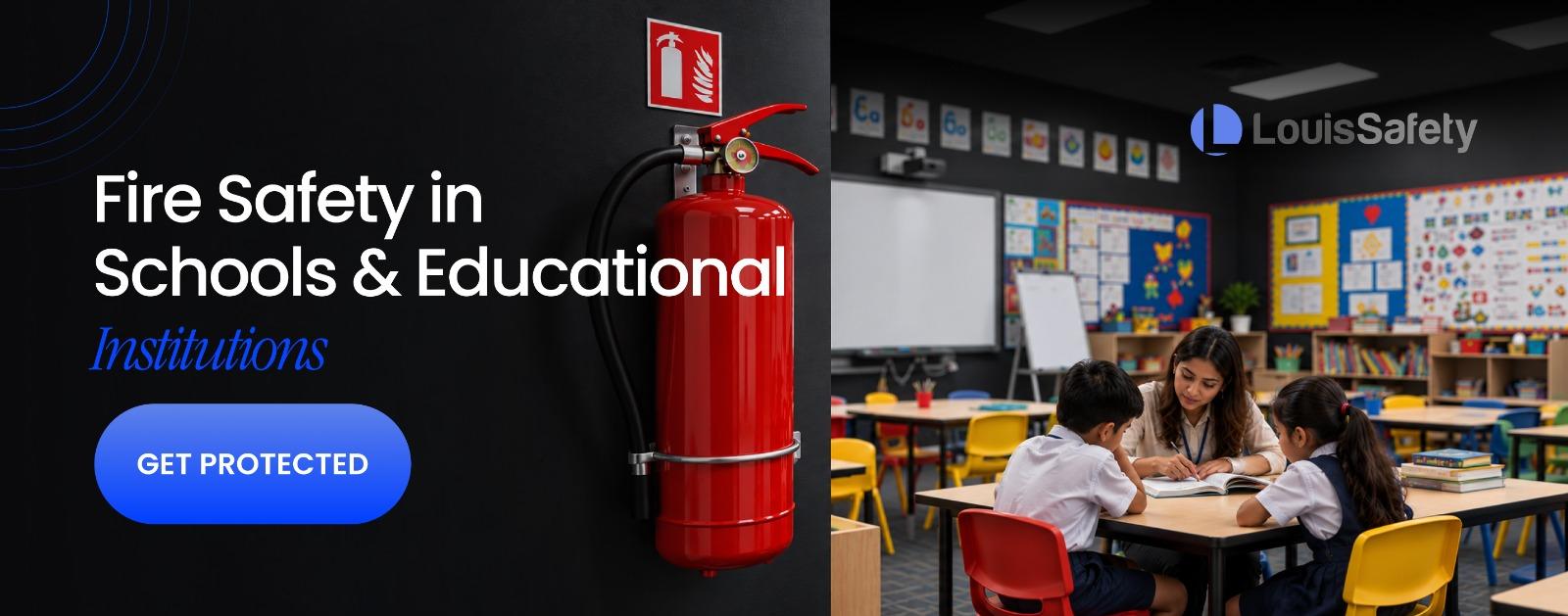
Schools are responsible for protecting hundreds or even thousands of students, teachers, staff, contractors and visitors every day. In Abu Dhabi, fire safety is therefore not simply a building-management responsibility — it is an essential part of maintaining a safe and compliant educational environment.
For school operators, the key point is that fire protection must cover far more than fire extinguishers. A compliant campus requires functioning fire detection and alarm systems, appropriate firefighting systems, emergency arrangements, safe evacuation routes, regular maintenance, inspections, documentation and coordination with the relevant authorities.
The Abu Dhabi Department of Education and Knowledge (ADEK) requires schools to maintain safe buildings and facilities and to comply with applicable legislation and government requirements. Its Buildings and Facilities Policy specifically addresses fire safety systems, maintenance, certification and safety assessments.
What does school fire safety compliance in the UAE mean?
School fire safety compliance means ensuring that an educational facility meets the applicable fire prevention, detection, protection, evacuation, inspection, maintenance and certification requirements.
For Abu Dhabi schools, compliance involves multiple layers of responsibility. ADEK regulates private schools and sets health, safety and facilities requirements, while fire and life-safety requirements are also subject to the relevant government authorities and applicable UAE fire-safety standards.
A school should therefore treat fire safety as an ongoing management process rather than something checked only before the academic year begins.
Key areas include
- fire alarm and detection systems;
- fire extinguishers and firefighting equipment;
- firefighting and suppression systems where required;
- emergency lighting and illuminated exit signage;
- clear and unobstructed escape routes;
- fire doors and compartmentation;
- fire pumps and water-based systems where applicable;
- emergency evacuation procedures;
- regular inspection and maintenance;
- valid fire-safety certifications and records;
- periodic safety assessments; and
- suitable arrangements for students and visitors requiring additional assistance.
Fire protection requirements for Abu Dhabi schools
1. Fire detection and alarm systems
A reliable fire alarm system is one of the most important components of educational facility fire protection. Schools should ensure that fire detection and alarm systems are operational, appropriately maintained and capable of providing early warning throughout the premises.
This is particularly important in classrooms, laboratories, libraries, kitchens, electrical rooms, storage areas, workshops, auditoriums and other spaces where fire risks may vary. Abu Dhabi Civil Defence has specifically urged schools to check the condition and operation of smoke detectors, firefighting equipment, emergency systems and evacuation plans. Our guide to how often fire alarms should be inspected sets out a practical testing rhythm.
2. Fire extinguishers and firefighting equipment
Portable fire extinguishers should be suitable for the risks present in different areas and kept accessible. Electrical rooms, kitchens, laboratories, workshops and general classroom areas can present very different fire hazards, so equipment selection and positioning should be based on the building's risk profile and applicable requirements.
Firefighting equipment should also be inspected and maintained rather than simply installed and left unattended.
3. Emergency lighting and exit routes
During a fire, normal lighting may fail or visibility may be reduced by smoke. Emergency lighting helps occupants identify escape routes and reach exits safely.
UAE Fire and Life Safety Code guidance includes emergency lighting requirements for escape routes, corridors, lobbies and exit staircases, as well as certain educational assembly spaces such as gymnasiums and auditoriums.
Schools should regularly check that:
- exit routes remain unobstructed;
- emergency exits can be opened as intended;
- exit signage is visible;
- emergency lighting is operational;
- fire doors are not wedged open; and
- corridors and stairways are not being used for storage.
Why evacuation planning is critical in schools
A school evacuation is fundamentally different from evacuating a typical commercial office. Children may require additional assistance, may not respond independently to an alarm, and may be unfamiliar with emergency procedures. Schools must therefore have practical evacuation arrangements that account for the age and needs of their students.
Abu Dhabi Civil Defence has highlighted the importance of school evacuation drills and clear evacuation plans, particularly because evacuation priorities include children, older people, people of determination and individuals who may require assistance.
A school evacuation plan should address
- primary and alternative escape routes;
- assembly points;
- responsibilities of staff;
- student accountability;
- visitors and contractors;
- students requiring additional assistance;
- communication during emergencies, including public address and voice evacuation systems;
- procedures for reporting missing persons; and
- access for emergency responders.
An evacuation plan should not exist only as a document. It needs to be understood, communicated, reviewed and tested.
Compliance does not end after installation
Installing a fire alarm, sprinkler system or extinguisher is only the beginning.
ADEK's Buildings and Facilities Policy requires schools to ensure that their buildings and facilities are periodically maintained and inspected, and that required safety assessments are conducted. Schools must also maintain documentation confirming compliance and safety throughout the licence period.
For schools, this means creating a structured maintenance programme covering relevant fire and life-safety systems.
Maintenance should consider
- fire alarm testing and servicing;
- smoke and heat detection;
- fire extinguishers;
- fire pumps and associated equipment;
- sprinkler systems where installed;
- emergency lighting;
- exit signage;
- fire doors;
- fire-rated assemblies;
- emergency systems and interfaces; and
- relevant inspection and certification records.
Only appropriately approved and competent specialists should be used where regulatory requirements specify approved service providers.
ADEK requirements for fire safety certification
One of the most important considerations for school fire safety compliance is maintaining the required documentation and certificates.
ADEK's Buildings and Facilities Policy states that schools must ensure fire prevention and protection systems are fully functioning and aligned with applicable requirements. It also states that schools must appoint specialised companies approved by the relevant Civil Defence authority to maintain firefighting and alarm systems and keep required certifications valid, including examples such as Hassantuk and the Preventive Safety Certificate.
Schools should maintain an organised compliance file containing relevant:
- certificates;
- inspection reports;
- maintenance records;
- testing records;
- safety assessments;
- fire-system documentation;
- corrective-action records; and
- approvals and permits where applicable.
ADEK also requires schools to maintain documentation demonstrating that buildings and facilities comply with applicable legislation and remain safe and fit for purpose.
Common fire risks inside educational facilities
Effective educational facility fire protection starts with understanding where hazards can occur.
Science laboratories
Laboratories can involve chemicals, heating equipment, electrical appliances and combustible materials. Laboratory fire protection should reflect the specific hazards present.
School kitchens and canteens
Cooking equipment, oils, gas supplies and electrical appliances can create significant fire risks. Kitchen hood suppression should be designed around the equipment and fuel sources involved.
Electrical and IT rooms
Electrical faults, overloaded circuits, batteries and electronic equipment can generate heat or ignition sources. Server and comms rooms may warrant dedicated detection and suppression.
Storage areas
Poorly organised storage can increase combustible loading and obstruct escape routes or firefighting access.
Auditoriums and sports halls
Large assembly areas can contain significant numbers of occupants. Emergency communication, exit capacity, emergency lighting and evacuation arrangements are particularly important.
What should school management check?
A practical school fire-safety review can begin with the following checklist.
Fire alarm — Is the fire alarm operational? Are detectors and manual call points accessible? Are faults investigated promptly?
Firefighting equipment — Are extinguishers correctly positioned? Are they accessible and properly maintained? Are other installed firefighting systems operational?
Escape — Are escape routes clear? Are emergency exits accessible? Is emergency lighting functioning? Are exit signs visible?
Fire protection systems — Are installed systems inspected and maintained? Are fire pumps and sprinkler systems, where applicable, tested? Are fire doors and compartmentation maintained?
Documentation — Are required certificates valid? Are maintenance reports available? Have required safety assessments been completed?
Emergency preparedness — Is there a current evacuation plan? Are assembly points clearly established? Are arrangements in place for students requiring additional assistance? Are evacuation procedures reviewed and tested?
Why fire safety should be reviewed before every academic year
A school environment changes continuously. Classrooms may be rearranged, new equipment may be installed, construction work may take place, student numbers may change, and storage areas may become congested. A fire-safety arrangement that was suitable previously may therefore require review.
Abu Dhabi Civil Defence has previously called on school management to review fire prevention and safety requirements before the start of the academic year and verify the condition of firefighting and emergency equipment. A proactive review — or a full fire safety audit — can identify problems before they become serious compliance or safety issues.
Frequently asked questions
What does school fire safety compliance in the UAE involve?
It involves meeting the applicable fire prevention, detection, firefighting, evacuation, maintenance, inspection, certification and documentation requirements for the educational facility.
What fire systems should a school have?
The required systems depend on the building design, occupancy, risks and applicable regulations. Common systems include fire alarms, detection, extinguishers, emergency lighting, fire doors and water-based firefighting systems where required.
Are fire drills important for Abu Dhabi schools?
Yes. Abu Dhabi Civil Defence has highlighted evacuation drills as an important part of protecting students and improving preparedness during fire emergencies.
How often should school fire-safety systems be maintained?
Maintenance and inspection frequencies depend on the specific system, applicable requirements and manufacturer recommendations. Schools should maintain a documented preventive-maintenance programme rather than relying on occasional checks.
Who is responsible for fire safety in a school?
Responsibility is shared across school leadership, facility management and relevant appointed specialists. ADEK states that school leadership has responsibility for maintaining a safe environment and meeting applicable health and safety requirements.
Can fire-safety compliance affect a school's regulatory status?
Non-compliance can lead to regulatory action. ADEK's Buildings and Facilities Policy states that failure to comply may be subject to legal accountability and applicable penalties.
Build a safer, more compliant school environment
Fire safety in schools is ultimately about protecting people first. For Abu Dhabi campuses, effective compliance requires more than installing firefighting equipment. Schools need properly maintained systems, safe escape routes, effective evacuation arrangements, valid documentation, regular inspections and a structured approach to identifying and controlling fire risks.
With the right fire protection strategy, educational institutions can create a safer environment for students, teachers, staff and visitors while supporting ongoing regulatory compliance.
Louis Fire & Safety helps schools and educational facilities review their fire protection requirements, identify potential gaps and maintain reliable fire-safety systems aligned with applicable requirements. Contact our team to discuss your campus's fire safety inspection, maintenance and protection requirements.